When months of heat give way to sudden, torrential rain, even the best plumbing systems are put to the test. Overflowing gutters, blocked stormwater drains, and burst pipes can turn a routine downpour into an expensive repair. Preparing your home before the first heavy rains hit is one of the smartest ways to protect your property, and knowing when to bring in a professional can make all the difference.
Working with a trusted local expert, such as plumbers Darwin, ensures your home is ready for the Wet Season — with drainage systems, hot water units, and pipes built to handle tropical conditions. Here’s how to prepare, what to check, and when it’s time to call for help.
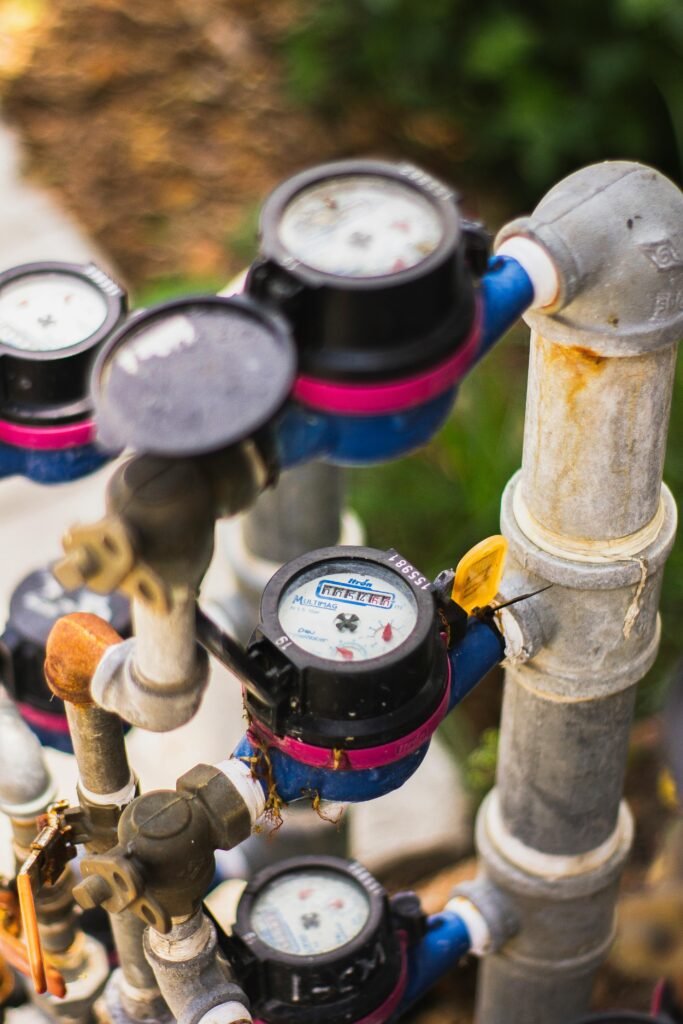
Step 1: Start with a Pre-Wet Season Inspection
Before the first storm arrives, schedule a thorough inspection of your plumbing system. This includes:
- Checking gutters and downpipes: Remove leaves, dirt, and debris that can block water flow. Fitting gutter guards can reduce buildup and minimize overflow.
- Inspecting drains: Run water through outdoor drains and stormwater pits. If water backs up or drains slowly, professional jet cleaning may be needed to clear roots and sludge.
- Testing sump pumps and backflow valves: These devices prevent water from flooding your home and keep contaminants from entering the mains supply. If you notice strange noises, slow drainage, or water pooling, it’s time for a plumber to service them.
- Assessing outdoor plumbing: Exposed PVC or copper pipes should be secured and shielded from UV exposure. Over time, sunlight and heat can cause cracking, leaks, or corrosion.
Preventive inspections save money in the long run by identifying weak points before the heavy rains expose them.
Step 2: Protect Your Stormwater System
Your stormwater system carries rainwater away from your roof and property. If it fails, flooding can occur quickly — especially during monsoonal downpours.
To keep it working efficiently:
- Clear stormwater pits and install mesh grates where possible.
- Ensure downpipes connect to appropriate drainage points rather than soaking into the ground near your foundations.
- For low-lying properties, consult a professional plumber about installing spoon drains, channel drains, or sump pumps to redirect water safely.
If you notice strong odors, gurgling, or slow drainage during rain, these are early signs of a blockage. Calling a professional early can prevent flooding and structural damage.
Step 3: Prepare Hot Water and Gas Systems
Wet weather doesn’t just affect drainage — it also impacts your home’s hot water and gas systems.
- Hot water maintenance: Humidity, scale, and mineral buildup can shorten the lifespan of hot water units. A professional plumber can flush the system, replace anodes, and check for corrosion before the season starts.
- Gas fittings: Shifting soil and temperature changes can loosen fittings or damage pipes. Schedule a quick inspection to confirm there are no leaks or compliance issues.
Routine maintenance helps avoid sudden breakdowns when demand spikes during cooler or stormy days.
Step 4: Know When to Call a Professional
Some maintenance tasks are safe to handle on your own — like cleaning gutters or flushing minor debris from drains — but many require licensed expertise. You should call a professional plumber immediately if you experience:
- Persistent blockages: Reoccurring slow drains or gurgling sounds could mean a deeper obstruction.
- Flooding or backflow: Water pooling around the yard or flowing backwards from drains needs urgent attention.
- Leaks in walls or ceilings: A small leak during heavy rain can hide a serious pipe failure.
- Fluctuating water pressure: Irregular flow often signals a developing leak or damaged fittings.
- Hot water issues: No hot water, discolored water, or unusual noises indicate that servicing is overdue.
Professional plumbers use tools such as CCTV cameras and hydro-jets to diagnose and fix problems efficiently.
Step 5: Check Licenses and Credentials Before Hiring
Hiring an experienced, licensed plumber is essential to ensure the work meets Australian standards and warranty requirements. Look for:
- A valid NT plumbing and draining license and, if relevant, gasfitting accreditation.
- Public liability insurance for both domestic and commercial jobs.
- Experience in stormwater management and hot water system servicing.
- Positive local reviews highlight punctuality, communication, and post-service follow-up.
A reliable plumber will also provide written quotes, compliance certificates, and a warranty for parts and labor.
Step 6: Build a Maintenance Routine
Tropical conditions require year-round vigilance. Once the Wet Season preparation is complete, set reminders for mid-year checkups:
- Flush electric hot water tanks and check sacrificial anodes annually.
- Have drains jetted or inspected with CCTV every 12–18 months.
- Clean gutters every few months, especially after storms.
- Confirm isolation valves for water and gas turn freely — you’ll need them in an emergency.
This small amount of regular care helps prevent emergency call-outs and extends the lifespan of your plumbing infrastructure.
Final Thoughts
Preparing your plumbing for the Wet Season is about prevention, not panic. By inspecting systems early, addressing small problems before they grow, and knowing when to call a professional, you can protect your home from flooding, leaks, and costly damage.
Partnering with a trusted local professional ensures your drainage, hot water, and stormwater systems are ready for whatever the weather brings. When the rain starts falling, you’ll have the peace of mind that your home’s plumbing is built — and maintained — to handle it.