Becoming a professional plumber requires a unique combination of technical skill, problem-solving ability, and a strong understanding of safety and compliance standards. Whether repairing leaks, installing water systems, or handling gas fittings, plumbers must be trained and licensed to perform their work safely and effectively. If you’re considering pursuing this career or looking to hire a qualified plumber townsville, understanding the training and certification process is essential.
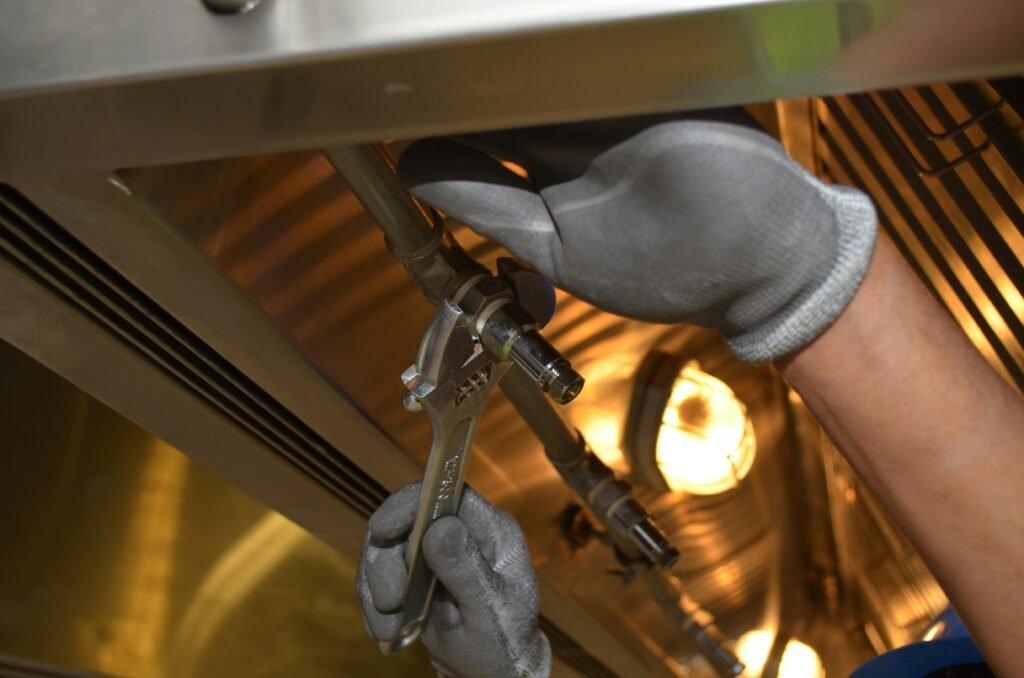
The Role of a Plumber
A plumber’s work extends far beyond fixing leaky taps or unclogging drains. These tradespeople install, maintain, and repair the systems that deliver clean water and remove wastewater from homes and businesses. They also work on heating systems, gas lines, and backflow prevention devices. Because plumbing directly affects public health and safety, professional standards and qualifications are taken very seriously across the industry.
Plumbers must have an excellent grasp of building codes, material specifications, and installation techniques. Their responsibilities often include reading blueprints, calculating pipe measurements, and ensuring all work complies with strict regulations. This level of expertise is achieved only through formal education, on-the-job training, and licensing.
Education and Entry Requirements
Most plumbing careers begin with a combination of foundational education and apprenticeship. A high school diploma or equivalent is typically required before entering a trade program. Courses in mathematics, physics, and technical drawing provide a valuable base for understanding pressure systems, water flow, and construction principles.
After completing basic schooling, aspiring plumbers often enroll in a vocational training program or a pre-apprenticeship course. These programs introduce students to plumbing theory, tool use, safety procedures, and local plumbing codes. They also help future plumbers understand what the trade demands physically and technically before committing to a full apprenticeship.
Apprenticeship Training
An apprenticeship is the core of plumbing education. It blends classroom instruction with hands-on experience under the supervision of licensed professionals. Apprenticeships generally last between four and five years and are managed by trade organizations, unions, or industry associations. During this period, apprentices learn how to:
- Install and maintain hot and cold water systems
- Repair and replace piping and fixtures
- Conduct pressure testing and leak detection.
- Handle gas-fitting and backflow-prevention tasks.
- Read and interpret building plans and regulations.
Apprentices earn while they learn, gaining practical experience and developing the technical skills needed to advance in their careers. Safety training, covering topics such as confined space entry, electrical awareness, and personal protective equipment, is also a critical part of the program.
Licensing and Certification
Once an apprentice has completed their training hours and coursework, they must obtain the appropriate plumbing license. Licensing ensures plumbers meet national and regional standards for competency and safety. Requirements vary depending on jurisdiction, but generally include passing a written examination and demonstrating proficiency in key trade skills.
Many plumbers also pursue additional certifications to expand their expertise. These may include qualifications in gas fitting, backflow prevention, or green plumbing systems. Certification bodies often require ongoing professional development, meaning plumbers must stay current with changes in codes, technology, and safety regulations. This ensures that clients receive service from professionals who are knowledgeable about the latest industry standards.
Continuing Education and Specializations
Plumbing is a trade that continually evolves with technology. Today’s plumbers work with advanced systems like solar hot water, heat pumps, and water-saving fixtures. To stay competitive, licensed plumbers often undertake continuing education courses offered by industry associations or training providers.
Specialization is another path for career growth. Some plumbers focus on residential installations, while others work in commercial, industrial, or environmental sectors. Master plumbers, those with years of experience and advanced qualifications, often move into supervisory or inspection roles. Whether you’re a seasoned technician or an aspiring plumber Townsville, continuous learning is the key to long-term success in the field.
Skills and Attributes for Success
Technical knowledge alone doesn’t make a great plumber. Successful professionals also possess a range of soft skills that enhance their service and efficiency. These include:
- Strong communication and customer service skills
- Analytical thinking and problem-solving ability
- Physical stamina and dexterity
- Attention to detail and precision in measurements
- Commitment to safety and compliance
Because plumbing work can involve emergency repairs, flexibility and time management are also essential. A reliable plumber is often the difference between minor inconvenience and major property damage.
The Importance of Compliance and Insurance
In addition to licensing, professional plumbers must maintain proper insurance coverage. Public liability and workers’ compensation insurance protect both the plumber and the client from accidents or damages during a job. Compliance with safety codes and proper documentation, such as certificates of compliance or inspection reports, is also mandatory in most regions. These measures ensure accountability and uphold the trade’s reputation as a whole.
Conclusion
Becoming a licensed plumber requires dedication, hands-on training, and a strong commitment to quality artistry. The pathway from apprentice to qualified tradesperson involves years of learning, testing, and real-world experience, but it leads to a rewarding and respected career. Whether pursuing certification or hiring a trusted professional, knowing the qualifications and standards required ensures the work is completed safely, efficiently, and in line with all regulatory requirements.
Plumbing isn’t just about fixing problems; it’s about building systems that safeguard health, conserve water, and support modern living. With the right training and credentials, anyone can turn this essential trade into a fulfilling and lifelong profession.