Whether it’s a new workshop on the farm, a striking staircase for a modern home, or critical infrastructure repairs, steel fabrication quietly underpins projects of every size. Across regional and urban communities alike, skilled local fabricators combine practical know-how with modern tools to deliver results that are strong, safe, and built to last. If you’re comparing providers online, you’ll likely run into search phrases like steel fabrication dubbo while researching. Regardless of what the search page shows, this guide explains the core services, benefits of working with nearby specialists, and how to choose the right partner for your build.
Understanding Steel Fabrication
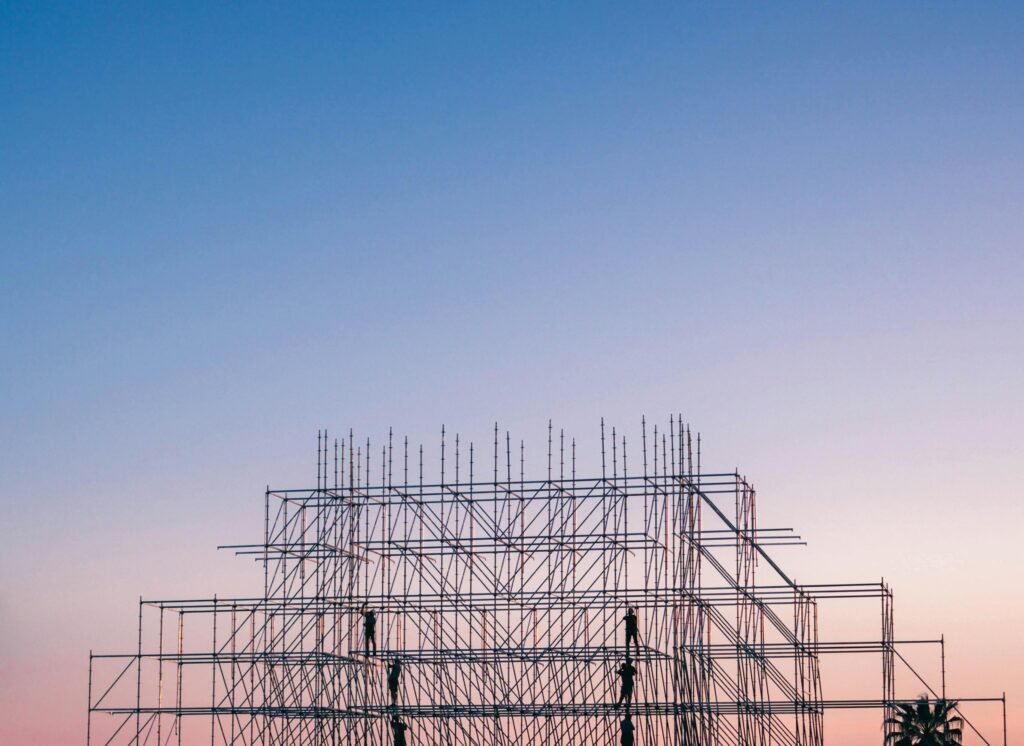
Steel fabrication is more than cutting and welding. It’s a craft that blends precise engineering, thoughtful design, and hands-on skill. Fabricators transform raw steel into structural beams, staircases, gates, balustrades, handrails, platforms, and artistic elements—each tailored to a client’s needs.
The work typically begins with design and detailed planning, often using 2D drawings and 3D modeling to guarantee accuracy. From there, the team selects the appropriate material—mild steel, stainless steel, or specialty alloys—before the metal is cut, drilled, folded, rolled, assembled, and welded. After fabrication, components usually receive a protective finish such as hot-dip galvanizing or powder coating to defend against corrosion and daily wear. It’s a discipline where every millimeter counts, from the initial specification to final on-site installation.
Key Services Offered by Local Steel Fabricators
Local workshops usually provide a wide, flexible menu of services so residential, commercial, light-industrial, and agricultural clients can all find a good fit:
- Structural steelwork: Supply, fabrication, and installation of beams, columns, rafters, purlins, and complete frames for sheds, warehouses, and new builds.
- Custom fabrication: Bespoke gates, pergolas, outdoor kitchens, privacy screens, and feature staircases that match your designer’s intent and site constraints.
- Repairs and alterations: Reinforcing trays, modifying machinery, replacing brackets or hinges, and retrofitting supports to extend the life of existing assets.
- Architectural and ornamental steel: Slimline balustrades, spiral stairs, laser-cut panels, and statement pieces that blend strength, safety, and style.
- Sheet and plate work: Tanks, hoppers, bins, chutes, guards, and light-industrial components produced to spec with appropriate thickness and finish.
A hallmark of capable shops is adaptability. Whether it’s a significant infrastructure element or a small residential detail, the right team scales up or down while keeping tolerances tight and communication clear.
Why Work With a Nearby Fabricator
Choosing someone close to home is about more than convenience:
- Local conditions insight: Nearby fabricators understand regional climate, wind categories, terrain, and typical building code requirements. That context helps them recommend finishes, fasteners, and section sizes that perform over time.
- Speed and accessibility: Proximity streamlines site measurements, coordination with builders or other trades, and any last-minute tweaks before installation.
- Tailored problem-solving: No two sites are identical. Local specialists can visit, assess, and propose practical solutions that reflect the realities of your space and schedule.
- Aftercare and longevity: If anything needs adjustment, the team that built it is close enough to return, maintain, or upgrade components without fuss.
- Community benefits: Working locally helps keep skills, jobs, and spending in the area, strengthening the network of trades and suppliers you may rely on again.
How to Choose the Right Steel Fabricator
Not all workshops are the same. Use these criteria to narrow your shortlist:
- Portfolio & experience
Ask to see similar projects—such as frames, stairs, gates, or agricultural builds—to gauge capability and finish quality. Look for clean welds, consistent edges, and crisp alignment in photos or site visits. - Certifications & standards
Reputable shops align with relevant Australian Standards (for example, AS/NZS 5131 for structural steel). Many also maintain internal quality systems and welding procedures (WPS/PQR). Don’t hesitate to ask what standards they follow. - Materials and finishing options
A solid fabricator can explain when to choose hot-dip galvanizing vs. powder coating, suggest suitable steel grades, and specify fixings that match your environment and expected loads. - Clear communication
Successful outcomes start with good questions and straight answers. Seek a partner who translates technical details into plain language and documents decisions. - Transparent quoting
Detailed quotes should separate materials, labor, coatings, transport, crane hire (if any), and installation. Transparency reduces surprises and helps you compare apples with apples. - After-sales support
Ask what happens post-install. Will they assist with maintenance, touch-ups, or future modifications? Strong warranties and responsive service are green flags.
Practical Tips for a Smoother Project
- Share accurate drawings and site photos early. The more context your fabricator has, the better they can design around real constraints.
- Confirm tolerances and interfaces. If other trades are involved (concrete, carpentry, glazing), agree on who owns which dimensions and fixings.
- Lock in lead times. Coatings, laser-cut components, or special sections may extend timelines, but good planning can avoid bottlenecks.
- Plan for installation access. Consider clearances for trucks, cranes, or lifts, and check whether temporary supports or traffic control are required.
- Protect the steel after installation. Maintain finishes, rinse coastal salt, and address scratches promptly to preserve longevity.
Conclusion
Done well, steelwork blends tradition with innovation—delivering structures and features that look sharp, perform reliably, and age gracefully. If you’re researching online, you might find providers through phrases like steel fabrication dubbo. Still, the real differentiator is a fabricator who listens, shows relevant work, and stands behind the result. Take time to review portfolios, verify standards, and discuss finishes and installation details. With the right partner, even a simple idea can become a tailored, durable solution that fits your space and serves you for years.